History of Glacier National Park
Glacier National Park, located in the northern Rocky Mountains in Montana, was established in 1910, making it the 10th national park in the United States. The park spans over 1 million acres and is home to a rich history of indigenous peoples and early explorers who have traversed the region for thousands of years. The geological formation of Glacier National Park dates back millions of years, shaped by ancient glaciers and tectonic forces.
Establishment of the park in 1910
Glacier National Park was established on May 11, 1910, by President William Howard Taft to protect its stunning landscapes and unique ecosystems. The park’s creation was a landmark moment in conservation history, setting a precedent for the preservation of natural beauty for future generations to admire and cherish.
Indigenous peoples and early explorers in the region
Before the establishment of Glacier National Park, the land was inhabited by Native American tribes, including the Blackfeet, Salish, and Kootenai peoples. These indigenous groups have a deep connection to the land and its resources, with a rich heritage of storytelling and traditions passed down through generations.
Geological formation of the park
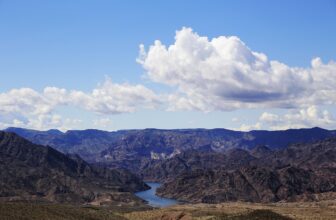
Glacier National Park is characterized by its rugged mountains, deep valleys, and pristine lakes, all shaped by the forces of nature over millions of years. The park’s landscape is a testament to the power of glaciers, which carved out its iconic features and continue to shape the land to this day.
Geographic features of Glacier National Park
Glacier National Park is renowned for its spectacular geographic features, including glaciers and icefields, diverse wildlife and biodiversity, and majestic mountain ranges and crystal-clear lakes that reflect the beauty of the surrounding scenery.
Glaciers and icefields
Glacier National Park is home to over 25 glaciers and numerous icefields, remnants of the last ice age that sculpted the landscape into its current form. These icy giants are a striking reminder of the park’s glacial past and are a vital source of freshwater for the surrounding ecosystems.
Wildlife and biodiversity
The park is teeming with a diverse array of wildlife, including grizzly bears, mountain goats, elk, and more. Its rich biodiversity includes over 1,000 species of plants and animals, making it a haven for nature enthusiasts and conservationists alike.
Mountain ranges and lakes
Glacier National Park is home to the rugged peaks of the Northern Rocky Mountains, including the iconic Garden Wall and Logan Pass. Its crystal-clear lakes, such as Lake McDonald and Saint Mary Lake, are popular destinations for boating, fishing, and scenic drives, offering visitors a chance to immerse themselves in the natural beauty of the park.
Activities for visitors in Glacier National Park
Visitors to Glacier National Park can partake in a wide range of activities that allow them to experience the park’s beauty up close, from hiking and backpacking trails to scenic drives and camping options that cater to all levels of outdoor enthusiasts.
Hiking and backpacking trails
Glacier National Park boasts over 700 miles of hiking trails that range from leisurely strolls to challenging backcountry treks. Popular hikes include the Highline Trail, Grinnell Glacier Trail, and Iceberg Lake Trail, each offering stunning views of the park’s natural wonders.
Scenic drives and viewpoints
For those who prefer to admire Glacier National Park’s beauty from the comfort of their car, the park offers several scenic drives, including the Going-to-the-Sun Road, which winds through the heart of the park and offers breathtaking views of its iconic landscapes.
Camping and lodging options
Visitors can choose from a variety of camping options in Glacier National Park, from backcountry campsites to developed campgrounds with amenities. For those looking for a more comfortable stay, the park also offers lodging options at historic lodges and cozy cabins.
Boating and fishing opportunities
Glacier National Park’s crystal-clear lakes are a paradise for boaters and anglers, with opportunities for kayaking, canoeing, and fishing in pristine waters surrounded by towering mountains. Whether you’re a seasoned angler or a novice paddler, the park offers activities that cater to all interests.
Conservation efforts in Glacier National Park
As a beacon of conservation and preservation, Glacier National Park is committed to protecting its ecosystems and wildlife from the threats posed by climate change, habitat destruction, and human impact. Through a series of initiatives and sustainable practices, the park aims to ensure the long-term viability of its natural resources for future generations to enjoy.
Threats to the park’s ecosystems
Glacier National Park faces numerous threats to its ecosystems, including the rapid retreat of its glaciers due to global warming, habitat fragmentation from development, and the spread of invasive species that disrupt the delicate balance of its biodiversity. These challenges require ongoing efforts to mitigate their impact on the park’s natural resources.
Initiatives to protect wildlife and preserve natural habitats
The park has implemented various initiatives to protect its wildlife and preserve its natural habitats, including habitat restoration projects, wildlife monitoring programs, and educational outreach efforts to raise awareness about conservation issues. By engaging with the local community and stakeholders, Glacier National Park is working towards a sustainable future for its ecosystems and wildlife.
Sustainable practices for visitors to follow
Visitors to Glacier National Park can play a vital role in its conservation efforts by practicing sustainable behaviors, such as Leave No Trace principles, responsible waste disposal, and respecting wildlife and natural habitats. By treading lightly on the land and reducing their ecological footprint, visitors can contribute to the park’s preservation for future generations to enjoy.
FAQ
Q: What is the best time to visit Glacier National Park?
A: The best time to visit Glacier National Park is during the summer months, from June to September, when the weather is warm and the park’s facilities are open for visitors.
Q: Are there accommodations available inside Glacier National Park?
A: Yes, Glacier National Park offers a variety of lodging options, including campgrounds, backcountry campsites, lodges, and cabins for visitors to stay overnight.
Q: Can I see glaciers in Glacier National Park?
A: Yes, Glacier National Park is home to over 25 glaciers, including the iconic Grinnell Glacier and Jackson Glacier, which can be seen on various hiking trails and scenic viewpoints throughout the park.
Q: What wildlife can I expect to see in Glacier National Park?
A: Glacier National Park is home to a diverse array of wildlife, including grizzly bears, mountain goats, elk, bighorn sheep, and a variety of bird species that inhabit its forests, meadows, and mountains.
Q: Are there guided tours available in Glacier National Park?
A: Yes, Glacier National Park offers guided tours led by park rangers and experienced naturalists, including interpretive hikes, boat tours, and educational programs that provide insights into the park’s natural and cultural history.
Q: What activities are available for families with children in Glacier National Park?
A: Families with children can enjoy a variety of activities in Glacier National Park, including ranger-led programs, junior ranger activities, easy hiking trails, and interactive exhibits at visitor centers that cater to all ages and interests.
Q: Are there any restrictions on recreational activities in Glacier National Park?
A: Yes, Glacier National Park has regulations in place to protect its natural resources and ensure the safety of visitors, including restrictions on off-trail hiking, boating regulations, and guidelines for wildlife viewing to minimize disturbances to the park’s ecosystems.
Q: How can I support conservation efforts in Glacier National Park?
A: Visitors can support conservation efforts in Glacier National Park by practicing sustainable behaviors, volunteering for conservation projects, donating to park charities, and advocating for policies that protect the park’s ecosystems and wildlife for future generations to enjoy.
Glacier National Park in Montana is a treasure trove of natural beauty and biodiversity, offering visitors a chance to immerse themselves in the wonders of the natural world while playing a vital role in its conservation and preservation. From its stunning glaciers and rugged mountains to its diverse wildlife and pristine lakes, the park beckons adventurers to explore its beauty and marvel at the resilience of nature. So pack your bags, hit the trails, and embark on an unforgettable journey through the majestic landscapes of Glacier National Park.