Formation of the Grand Canyon
The Grand Canyon, located in the state of Arizona, USA, is a magnificent natural wonder that has captivated visitors for centuries. This iconic attraction was formed through a combination of geological processes and erosion, resulting in its stunning beauty and unique features.
Geological history
The geological history of the Grand Canyon dates back millions of years, with the Colorado River playing a crucial role in its formation. The uplift of the Colorado Plateau combined with the powerful erosive forces of the river gradually carved out the canyon over time, exposing rock layers that tell a story of Earth’s ancient past.
Erosion process
Throughout the millennia, the relentless force of water, wind, and ice has eroded the rocks of the Grand Canyon, shaping its steep cliffs, deep canyons, and rugged terrain. The process of erosion continues to this day, contributing to the ever-changing landscape of the canyon.
Timeline of formation
The Grand Canyon’s formation can be traced back over 6 million years, with the Colorado River carving out the canyon and exposing rock layers that date back hundreds of millions of years. The continuous process of erosion and geological activity has sculpted the canyon into the natural wonder we see today.
Geography of the Grand Canyon
Grand Canyon, USA is not only known for its stunning geological features but also for its vast size and unique geography that support a diverse range of flora and fauna.
Size and dimensions
The Grand Canyon stretches for over 270 miles and reaches depths of more than a mile, with a width that can span up to 18 miles at its widest point. Its massive dimensions provide a vast and awe-inspiring landscape for visitors to explore.
Topography
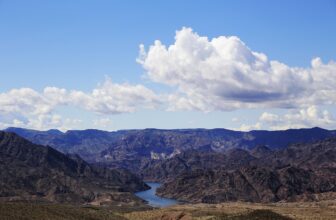
The canyon’s topography is characterized by deep gorges, towering cliffs, and intricate rock formations that showcase millions of years of geological history. Varied landscapes, from high plateaus to deep valleys, offer a diverse and visually stunning experience for visitors.
Climate and vegetation
The Grand Canyon’s climate varies from the hot desert temperatures of the lower elevations to the cooler and more forested areas at higher elevations. This diversity in climate supports a wide range of vegetation, from cacti and desert plants to pine forests and wildflowers, creating a rich tapestry of ecosystems within the canyon.
Biodiversity in the Grand Canyon
Grand Canyon, USA is home to a remarkable variety of plant and animal species that have adapted to its challenging and diverse environments.
Flora
The Grand Canyon boasts a diverse array of plant life, including desert-adapted species like cacti, yuccas, and sagebrush, as well as more lush vegetation found in the higher elevations such as ponderosa pines, oaks, and wildflowers. The canyon’s unique microclimates support a rich and vibrant ecosystem of plant species.
Fauna
The canyon is inhabited by a wide range of animal species, from iconic mammals like bighorn sheep, mule deer, and mountain lions to smaller creatures like squirrels, rabbits, and lizards. Birdwatchers can enjoy spotting raptors, songbirds, and migratory species that call the canyon home throughout the year.
Unique species found in the canyon
Grand Canyon, USA is also home to several endemic and rare species, including the Grand Canyon Pink Rattlesnake, the Kaibab Squirrel, and the Humpback Chub fish. These unique species have adapted to the canyon’s specific conditions and play a vital role in its ecosystem.
Tourism at the Grand Canyon
Grand Canyon, USA is not only a natural wonder but also a popular tourist destination, offering a wide range of activities and amenities for visitors to enjoy.
Visitor centers and facilities
Visitors to the Grand Canyon can access multiple visitor centers that provide information on the canyon’s history, geology, and wildlife. These centers also offer amenities such as restrooms, gift shops, and dining options to enhance the visitor experience.
Activities for tourists
There are numerous activities for tourists to enjoy at the Grand Canyon, including hiking, camping, scenic drives, helicopter tours, and river rafting adventures. Guided tours and educational programs are also available to provide a deeper understanding of the canyon’s natural and cultural significance.
Conservation efforts to protect the canyon
Due to its delicate ecosystem and cultural heritage, conservation efforts are in place to protect the Grand Canyon from human impact and environmental threats. Initiatives for sustainable tourism, habitat restoration, and wildlife conservation aim to preserve the canyon’s natural beauty for future generations to enjoy.
Grand Canyon, USA stands as a testament to the power and beauty of nature, with its majestic landscapes, rich biodiversity, and geological wonders captivating visitors from around the world. The canyon’s enduring legacy serves as a reminder of the importance of conservation and environmental stewardship in protecting our planet’s natural treasures. Plan a trip to the Grand Canyon and experience firsthand the awe-inspiring beauty of this iconic destination.
FAQ
What is the best time of year to visit the Grand Canyon?
The best time to visit the Grand Canyon is during the spring or fall when the weather is mild and the crowds are smaller. Summer can be hot, and winter can bring snow and ice to higher elevations.
Are there hiking trails for all skill levels at the Grand Canyon?
Yes, the Grand Canyon offers hiking trails for all skill levels, from easy walks along the rim to challenging descents into the canyon. It’s important to be prepared and follow safety guidelines when hiking in the canyon.
Can I take a helicopter tour of the Grand Canyon?
Yes, there are helicopter tours available that provide a unique aerial perspective of the Grand Canyon’s vast landscapes and geological features. These tours offer a thrilling and memorable way to experience the canyon.
What wildlife can I expect to see at the Grand Canyon?
Visitors to the Grand Canyon may encounter a variety of wildlife, including bighorn sheep, elk, deer, squirrels, and a diverse array of bird species. Be sure to observe wildlife from a safe distance and respect their natural habitats.
How can I support conservation efforts at the Grand Canyon?
You can support conservation efforts at the Grand Canyon by practicing Leave No Trace principles, participating in volunteer programs, donating to conservation organizations, and advocating for sustainable tourism practices that protect the canyon’s fragile ecosystem.
Is camping allowed in the Grand Canyon?
Yes, camping is allowed in designated campgrounds and backcountry areas within the Grand Canyon National Park. Permits may be required for some camping areas, so be sure to check regulations and guidelines before setting up camp.