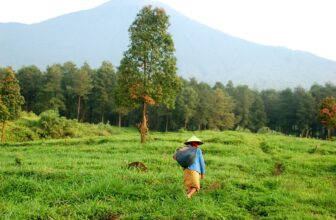
Geography of Fiji Islands
The Fiji Islands are located in the South Pacific Ocean, about 1,100 nautical miles northeast of New Zealand. This archipelago consists of 333 islands, with the two main islands being Viti Levu and Vanua Levu. The total land area of Fiji is approximately 18,300 square kilometers, with Viti Levu being the largest island.
Landscape and Natural Features
The landscape of Fiji is characterized by lush tropical rainforests, pristine white sandy beaches, and stunning coral reefs. The islands are surrounded by turquoise waters teeming with marine life, making Fiji a popular destination for snorkeling and diving enthusiasts. Inland, you will find volcanic mountains, cascading waterfalls, and picturesque villages nestled among the verdant hills.
Climate and Weather Patterns
Fiji has a tropical maritime climate, with warm temperatures year-round. The wet season typically occurs from November to April, bringing heavy rainfall and occasional cyclones. The dry season, from May to October, offers sunny days with cooler evenings, making it an ideal time to visit. The average temperature in Fiji ranges from 25°C to 30°C, providing the perfect conditions for a beach getaway.
History and Culture of Fiji Islands
The indigenous Fijian culture is deeply rooted in traditions that have been passed down for generations. From elaborate ceremonies to intricate handicrafts, the Fijian people take pride in their heritage and customs. The influence of colonialism, particularly British and Indian, has also played a significant role in shaping modern Fijian society, creating a cultural melting pot that is both unique and diverse.
Indigenous Fijian Culture and Traditions
The Fijian culture is centered around respect for elders, communal living, and a strong connection to the land. Traditional ceremonies such as kava drinking, meke dances, and fire-walking are still practiced today, offering visitors a glimpse into the rich cultural heritage of the islands. Handicrafts such as woven mats, pottery, and wood carvings are also popular among the Fijian people.
Influence of Colonialism on Fijian Society
Colonialism has left a lasting impact on Fiji, with British rule introducing Christianity, English language, and institutions of governance. The arrival of indentured Indian laborers in the 19th century brought about a fusion of Indian and Fijian cultures, resulting in a diverse culinary landscape and vibrant cultural celebrations such as Diwali and Holi.
Modern Cultural Practices and Celebrations
Today, modern Fijian society is a harmonious blend of traditional customs and contemporary influences. Festivals such as the Hibiscus Festival, Bula Festival, and Fiji Day celebrations showcase the cultural vibrancy of the islands, offering visitors an opportunity to participate in local traditions and festivities.
Tourism in Fiji Islands
Fiji is a popular tourist destination, known for its breathtaking landscapes, vibrant culture, and warm hospitality. From luxury resorts to eco-friendly lodges, there are accommodation options to suit every traveler’s preference. Whether you’re seeking adventure, relaxation, or cultural immersion, Fiji has something for everyone.
Popular Tourist Destinations
Some of the most popular tourist destinations in Fiji include the Mamanuca Islands, Yasawa Islands, and Coral Coast. These locations offer idyllic beaches, crystal-clear waters, and a range of activities such as snorkeling, diving, hiking, and cultural tours. The capital city of Suva is also worth exploring for its museums, markets, and historical landmarks.
Activities and Attractions for Visitors
Visitors to Fiji can enjoy a variety of activities, including water sports like surfing, kayaking, and fishing. Nature enthusiasts can explore Fiji’s national parks, bird sanctuaries, and marine reserves, while culture buffs can attend traditional ceremonies, visit village communities, and shop for local handicrafts. For those seeking relaxation, spa treatments, yoga retreats, and sunset cruises are also available.
Unique Experiences in Fiji Islands
For a truly unforgettable experience, consider staying in a traditional Fijian bure (thatched hut) or taking a cruise to remote islands. You can also participate in a village homestay, attend a lovo feast (traditional underground oven cooking), or embark on a waterfall trek through the rainforest. Whatever your preference, Fiji offers a plethora of unique experiences that will leave you with lasting memories.
Cuisine of Fiji Islands
The cuisine of Fiji is a reflection of the diverse cultural influences that have shaped the islands’ culinary traditions. From traditional Fijian dishes to Indian and Chinese flavors, there is a wide variety of delicious foods to savor in Fiji. Fresh seafood, tropical fruits, and aromatic spices are key ingredients that make Fijian cuisine a true delight for the taste buds.
Traditional Fijian Dishes and Ingredients
Traditional Fijian dishes often feature staples such as taro, cassava, coconut, and seafood. Lovo, a feast where food is cooked in an underground oven, is a popular celebratory dish, consisting of meats, root crops, and vegetables cooked to perfection. Kokoda, a traditional Fijian ceviche made with raw fish marinated in lime juice and coconut cream, is another must-try delicacy.
Influence of Indian and Chinese Cuisine on Fijian Food
Indian and Chinese immigrants have introduced a plethora of flavors and cooking techniques to Fijian cuisine. Curries, roti, and samosas reflect the Indian influence, while stir-fries, dumplings, and noodle dishes showcase the Chinese culinary heritage. The fusion of these diverse culinary traditions has created a uniquely delicious gastronomic experience in Fiji.
Exotic Fruits and Beverages of Fiji Islands
Fiji is blessed with an abundance of exotic fruits such as papaya, pineapple, mango, and guava, which are used in refreshing beverages like fruit smoothies and fresh juices. Coconut water, aloe vera juice, and kava, a traditional Fijian drink made from the root of the kava plant, are also popular beverages enjoyed by locals and tourists alike.
The Fiji Islands are a tropical paradise that offers a perfect blend of natural beauty, cultural richness, and warm hospitality. Whether you’re seeking adventure, relaxation, or cultural immersion, Fiji has something for everyone. So pack your bags, explore the magic of the Fiji Islands, and create memories that will last a lifetime.
FAQ
Is Fiji a safe destination for tourists?
Yes, Fiji is generally considered a safe destination for tourists. The Fijian people are renowned for their friendly and welcoming nature, making visitors feel at ease during their stay.
What are the best months to visit Fiji?
The best time to visit Fiji is during the dry season from May to October when the weather is sunny and pleasant. However, the wet season from November to April also has its charms, with lush green landscapes and fewer crowds.
Are there any cultural etiquettes to be aware of in Fiji?
Visitors to Fiji are encouraged to dress modestly, remove hats when entering a village or home, and participate respectfully in traditional ceremonies. It is also customary to present a gift of kava when visiting a village chief.
What currency is used in Fiji?
The currency used in Fiji is the Fijian dollar (FJD). Major credit cards are widely accepted in tourist areas, but it is recommended to carry some cash for purchases in local markets and villages.
Can I participate in traditional Fijian ceremonies and activities as a tourist?
Yes, many tour operators in Fiji offer cultural experiences such as kava ceremonies, meke dances, and village visits for tourists to partake in. These activities provide a firsthand look into the rich cultural heritage of the islands.
Are there opportunities for eco-tourism and sustainable travel in Fiji?
Yes, Fiji is committed to sustainable tourism practices and offers eco-friendly accommodation options, nature tours, and marine conservation initiatives for travelers interested in minimizing their environmental impact. Visitors can support local communities and conservation efforts through responsible tourism practices.