Geographical and Geological Significance
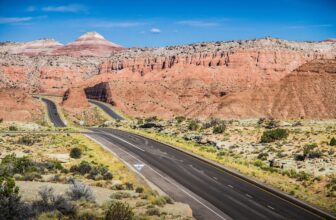
Monument Valley, located on the border between Arizona and Utah, is a geological marvel renowned for its iconic sandstone buttes and mesas that rise dramatically from the desert floor. These towering rock formations, sculpted over millions of years, serve as a testament to the immense power of erosion in shaping the landscape.
Location and Border Between Arizona and Utah
Monument Valley straddles the Arizona-Utah state line, with the majority of the park falling within the Navajo Nation Reservation. This unique location offers visitors the chance to experience two states’ natural beauty in one breathtaking setting.
Formation of Iconic Sandstone Buttes and Mesas
The distinctive rock formations in Monument Valley, including famous landmarks such as the Mittens and Merrick Butte, were formed through a combination of geological processes. Over time, layers of sediment were deposited and compressed, eventually forming the towering sandstone features that dominate the landscape.
Role of Erosion in Shaping the Landscape
Erosion, primarily caused by wind and water, has played a crucial role in sculpting the unique shapes of Monument Valley’s rock formations. The relentless forces of nature continue to shape and mold the landscape, creating a dynamic and ever-changing environment for visitors to explore.
Cultural and Historical Value
Monument Valley holds immense cultural and historical significance for the Navajo Nation and indigenous peoples, serving as a vital link to their ancestral past. Furthermore, the valley’s striking scenery has made it a popular filming location for Western movies, further cementing its place in popular culture.
Importance to Navajo Nation and Indigenous Peoples
For the Navajo people, Monument Valley is not just a picturesque landscape but a sacred place deeply woven into their cultural identity. The valley’s rock formations hold spiritual significance and are integral to traditional ceremonies and beliefs.
Use of Monument Valley as a Filming Location for Western Movies
Throughout the 20th century, Monument Valley gained international fame as a backdrop for countless Western films, including classics like John Ford’s “Stagecoach” and “The Searchers.” The valley’s rugged terrain and striking vistas have made it an iconic symbol of the American West.
Preservation Efforts to Protect Cultural Heritage
In recognition of Monument Valley’s cultural importance, conservation efforts are underway to preserve both the natural beauty and cultural heritage of the area. By working closely with the Navajo Nation, stakeholders aim to safeguard the valley’s archaeological sites and traditional practices for future generations to appreciate.
Visitor Experience
Visitors to Monument Valley have the opportunity to explore popular attractions and viewpoints, engage in a variety of outdoor activities, and learn more about the rich cultural heritage of the region through guided tours and visitor centers.
Popular Attractions and Viewpoints
From the iconic view of the Mittens to the majestic Eagle Mesa, Monument Valley offers a wealth of stunning vistas and photo opportunities for visitors to enjoy. Scenic overlooks such as John Ford’s Point and Artist’s Point provide panoramic views of the valley’s most famous landmarks.
Outdoor Recreational Activities
Outdoor enthusiasts can partake in a range of activities in Monument Valley, including hiking trails that wind through the valley floor, horseback riding excursions led by local guides, and photography workshops to capture the beauty of the landscape in different lights and seasons.
Visitor Centers and Guided Tours
Visitor centers within Monument Valley offer informative exhibits, cultural demonstrations, and guided tours led by knowledgeable interpreters. These tours provide visitors with invaluable insights into the history, geology, and culture of the region, enhancing the overall visitor experience.
Unique Flora and Fauna
Despite its arid desert environment, Monument Valley is home to a variety of plant and animal species that have adapted to survive in harsh conditions. Conservation efforts are underway to protect these unique ecosystems and the endangered species that inhabit the area.
Adaptations of Plants and Animals to the Arid Desert Environment
The resilient flora and fauna of Monument Valley have evolved unique adaptations to thrive in the harsh desert climate, including drought-resistant plants like sagebrush and prickly pear cactus, as well as wildlife such as desert bighorn sheep and coyotes.
Endangered Species That Inhabit Monument Valley
Several endangered species call Monument Valley home, including the iconic desert tortoise and the rare Mexican spotted owl. Conservation efforts are focused on protecting these vulnerable species and their habitats from human encroachment and environmental threats.
Conservation Efforts to Protect Biodiversity
In collaboration with conservation organizations and local tribes, efforts are underway to safeguard the rich biodiversity of Monument Valley. Through habitat restoration, ecological monitoring, and sustainable land management practices, stakeholders aim to preserve the valley’s natural heritage for future generations to enjoy.
Sustainable Tourism and Environmental Conservation
As visitor numbers to Monument Valley increase, the challenge of managing tourism while preserving the delicate desert ecosystem becomes more pressing. Initiatives promoting sustainable travel practices and responsible tourism aim to strike a balance between visitor enjoyment and environmental stewardship.
Challenges of Managing Tourism and Preserving Natural Resources
The growing popularity of Monument Valley presents challenges in managing visitor impacts on the fragile desert environment. Issues such as habitat degradation, waste disposal, and traffic congestion require careful planning and sustainable practices to mitigate their effects on the landscape.
Initiatives to Promote Ecotourism and Responsible Travel Practices
Through partnerships with local communities, tour operators, and conservation groups, Monument Valley is promoting ecotourism initiatives that emphasize environmental education, cultural sensitivity, and low-impact travel. By raising awareness and encouraging responsible behavior, stakeholders hope to foster a culture of respect for the land and its inhabitants.
Future Outlook for Sustainable Development in Monument Valley
Looking ahead, the future of Monument Valley hinges on sustainable development practices that prioritize conservation, cultural preservation, and community engagement. By working together to address the complex challenges facing the valley, stakeholders can ensure that this iconic destination remains a beacon of natural beauty and cultural heritage for years to come.
Monument Valley stands as a testament to the enduring beauty of nature and the rich history of indigenous cultures. As visitors gaze upon the majestic sandstone formations and learn about the significance of this sacred land, they are reminded of the importance of preserving our natural heritage for generations to come. Why not plan your next adventure to Monument Valley and experience the awe-inspiring beauty and cultural richness of this iconic destination?
FAQ
What is the best time of year to visit Monument Valley?
The fall and spring months are ideal for visiting Monument Valley, as temperatures are milder, and the landscape is at its most vibrant.
Are there guided tours available in Monument Valley?
Yes, there are various guided tours offered in Monument Valley that provide insights into the geology, history, and culture of the region.
Can visitors camp in Monument Valley?
Yes, there are campsites available in Monument Valley for visitors who wish to experience the beauty of the desert night sky.
What outdoor activities can visitors enjoy in Monument Valley?
Visitors can partake in activities such as hiking, horseback riding, photography, and cultural tours to explore the valley’s unique landscapes.
How can visitors support conservation efforts in Monument Valley?
Visitors can support conservation efforts by practicing Leave No Trace principles, respecting cultural sites, and supporting local businesses that prioritize sustainability.
Is Monument Valley pet-friendly?
Pets are not allowed on hiking trails or cultural tours in Monument Valley to protect the delicate desert ecosystem and preserve the cultural integrity of the area.